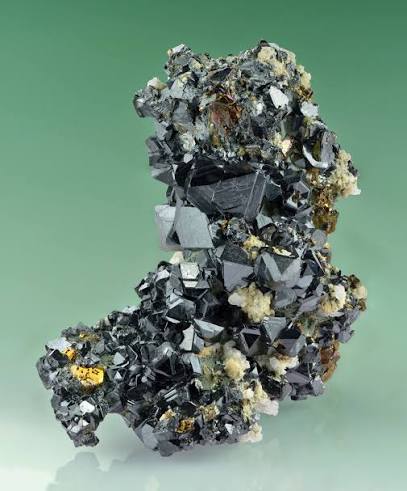
Zinc is both an essential trace element and an important
industrial metal. It is widely used in galvanisation, alloys,
batteries and numerous manufactured products, while naturally
occurring Zn is present in rocks, ores, soils, waters and
biological systems. Its widespread occurrence makes source
identification particularly important.
Where is Zn found?
Zinc occurs naturally in many geological materials, with
sphalerite (ZnS) representing its principal ore mineral.
It is also associated with polymetallic deposits and can be
released to the environment through mining, smelting,
industrial activities, road traffic, corrosion and the use
or disposal of Zn-bearing materials.
Why is Zn isotopically distinctive?
Zinc has five naturally occurring stable isotopes. Although
Zn occurs predominantly as Zn²⁺, its isotopes can fractionate
during processes such as adsorption, complexation,
precipitation, chemical weathering and biological uptake.
These variations are commonly expressed using δ⁶⁶Zn.
Why are Zn isotopes useful?
Zn isotope compositions can provide information about both
where zinc originates and what processes have affected it
during transport. This dual sensitivity makes δ⁶⁶Zn useful
for environmental contamination studies, biogeochemical
investigations and the comparison of industrial or geological
source materials.